



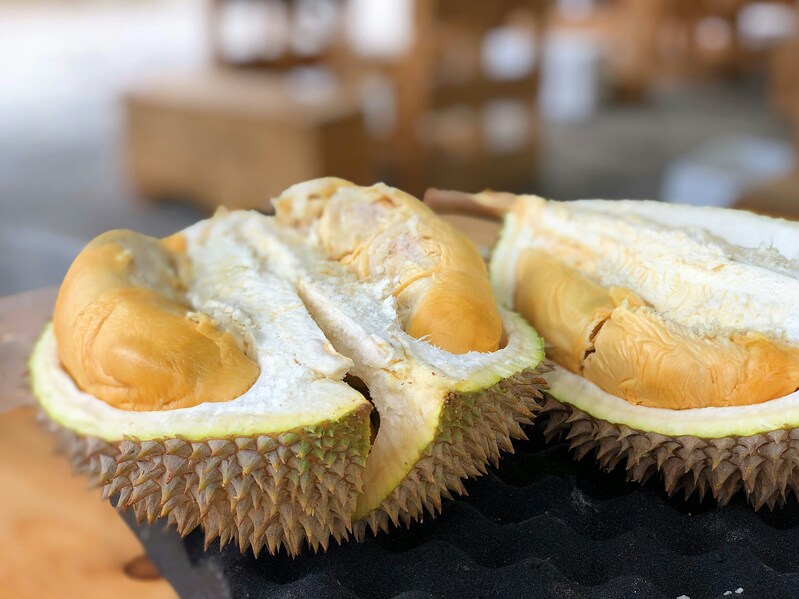
From its infamous smell to its surprisingly rich taste, explore why durian continues to gain a unique reputation among most foreigners, how to enjoy it through processed products, and the well-known durian varieties in Indonesia to try.
Durian, often called the “King of Fruits”, is one of the most famous foods in Southeast Asia. In countries like Indonesia, Malaysia, and Thailand, it is loved by millions. Especially during its harvest season, we can easily find durian sellers on the streets or in the markets. However, many foreigners often find the fruit strange or worse: too repulsive to consume. This big difference in opinion, as a result, continues to cement durian as one of the most talked-about fruits in the world.
This article will explain why most foreigners do not have the same fondness for durian as the locals, an alternative way to enjoy durian, and some of the durian varieties that can be found in Indonesia.
Why Many Foreigners Do Not Like Durian
The main reason foreigners dislike durian is simple: the smell.
Durian has a very strong and unusual smell that can be shocking for first-time eaters. Some people describe the smell as akin to rotten onions, sewage, or even dirty socks. In fact, the smell is so powerful that durian is banned in many public places, including hotels, petrol stations, and transport systems in parts of Southeast Asia.
This pungent smell comes from the natural chemicals inside the fruit. Scientists have found that durian contains more than 50 different compounds—especially sulphur compounds—which create its strong odour.
Another reason is cultural differences. People in Southeast Asia grow up eating durian, which makes them already familiar with its smell and taste from an early age. Some of them have grown accustomed to the smell, so much so that they may even find it fragrant and enjoyable. However, many foreigners—especially the visitors who did not grow up in Southeast Asian countries like Indonesia—are not easily used to such strongly smelling food.
There is also a psychological factor. When something smells unseemly, people expect it to taste unseemly as well. This simple attitude, hence, makes them unwilling to give durian a shot. Even though the taste is actually sweet and creamy, the smell already makes a bad first impression. Some people are even more sensitive to certain smells than others. This is why durian is often described as a “love-it-or-hate-it” fruit.
What About the Taste?
Interestingly, many people who eventually manage to try durian say that the taste is much better than what its smell suggests.
Durian has a rich, creamy texture, which is similar to custard. Its flavour is often described as a mix of caramel, vanilla, and almonds—with hints of fruit like banana or mango. However, for many foreigners, smell and taste are not two things that can be split apart in their minds. Durian’s pungent smell easily affects how they experience the flavour in their respective palate. Some people can even taste the fruit’s unpleasant smell in their tongue.

Durian-Based Products to Try
There is an alternative way, however, for those who do not enjoy the smell of durian: try durian-based products instead. In Indonesia, there are many food and beverage products made with the durian flavour that can be found in bakeries, ice cream parlours, and street food stalls.
Although these products are made with durian, producers or sellers usually reduce the fruit’s original smell without omitting its original taste. Some even use the artificial durian flavour, though such a flavouring method is often frowned upon.
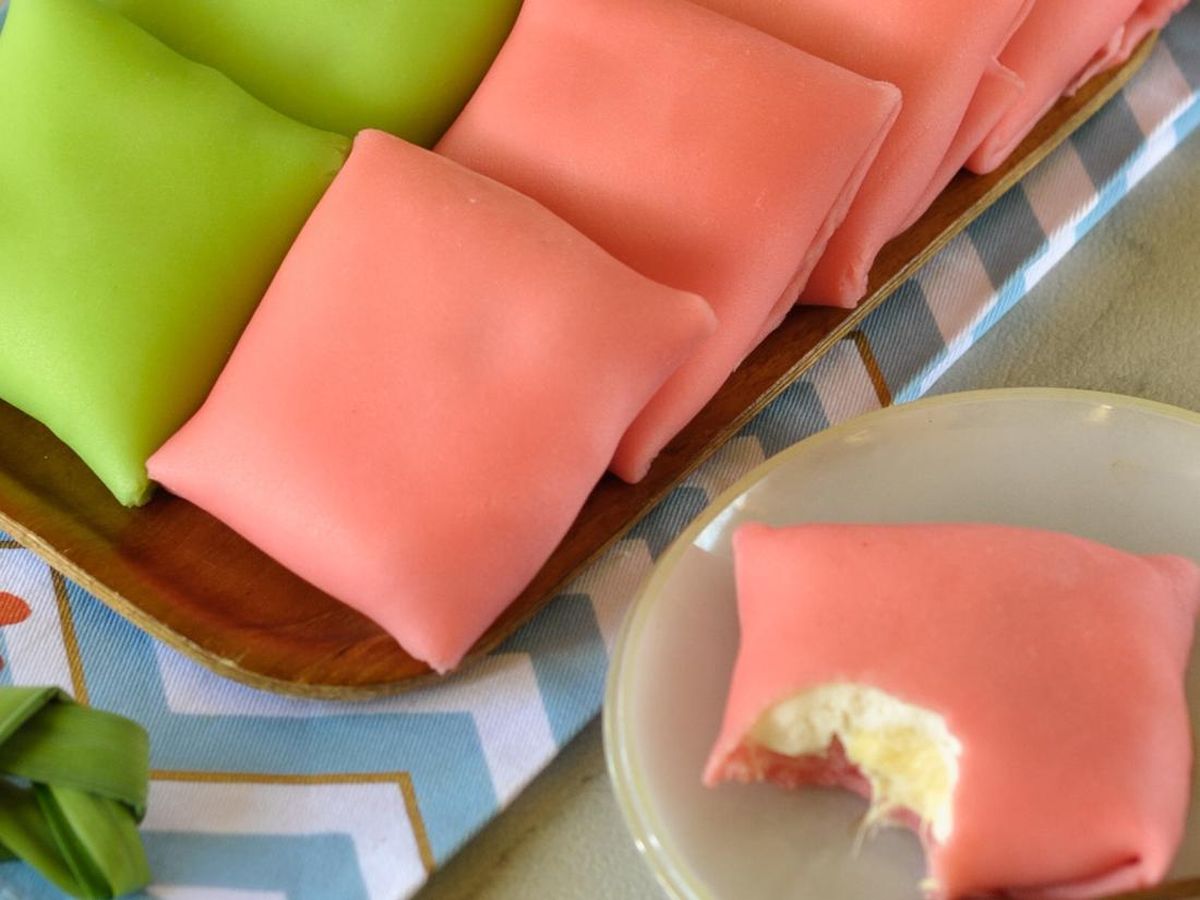
To begin with, foreigners can try the meal varieties that they are more familiar with, such as desserts and sweets. Durian—especially in Indonesia—is oftentimes processed into pancakes, ice cream, puddings, and even cheesecakes. Once they start to enjoy it, they can move on to beverage options, such as durian juice and milkshakes.
Why Some Foreigners Eventually Like Durian
Despite its reputation, not all foreigners hate durian; in fact, many of them eventually learn to enjoy the fruit over time. This changing attitude is often attributed to the fact that durian, ultimately, is the fruit of acquired taste, meaning that the sweetness and richness of the fruit can only be fully appreciated once it has been tried and consumed several times. A first impression, after all, can be very deceiving.
Some travellers have grown obsessed with durian, so much so that they would even go to Southeast Asia specifically to try durian again and again. And, once they get past the smell, they often discover why the locals love durian so much.
Recommended Durian Varieties in Indonesia
Interestingly, not all durians in Indonesia taste the same. Some are stronger, while others are milder and more suitable for beginners. Here are some of the best durian varieties commonly found in Indonesia:
- Bawor Durian
Bawor durian comes from Banyumas in Central Java. It is known for its large size, thick and firm flesh, and a rich, sweet taste with a slight hint of bitterness;
- Petruk Durian
Petruk is a high-quality local durian from Jepara, Central Java. Although it is medium in size, it is quite filling and contains nutrients such as magnesium and iron, which support muscle health and help the body produce red blood cells;
- Monthong Durian
Monthong is one of the most popular durian varieties in Indonesia, even though it originally comes from Thailand. It has soft, slightly dry flesh that is not too fibrous — with a rich, sweet flavour and a relatively mild smell;
- Medan Durian
Medan durian is famous for its sweet and rich taste, often combined with a slight note of bitterness as well. The flesh is usually thick and yellow, complemented by a strong aroma. This variety is commonly used in desserts such as durian pancakes and ice cream.
Conclusion
Durian is and will always be a fruit that divides opinions. Many foreigners dislike it because of its strong smell and unfamiliar taste. For those who are not used to it, durian can be terribly overwhelming to the appetite—and understandably so.
However, for those who are willing to give durian a shot, this divisive fruit can end up offering a rich and complex experience unlike anything that one’s palate has ever tasted. Moreover, with different varieties available nowadays, beginners can start with milder varieties like durian-based products, then slowly move up to the stronger ones—until they can eventually go face-to-face with durian in its fullest, most authentic shape and form.
In the end, durian is more than just a fruit. It is a cultural experience—one that tests your courage, challenges your senses, and perhaps, blows your mind away as well.
So, are you now brave enough to have a taste?