



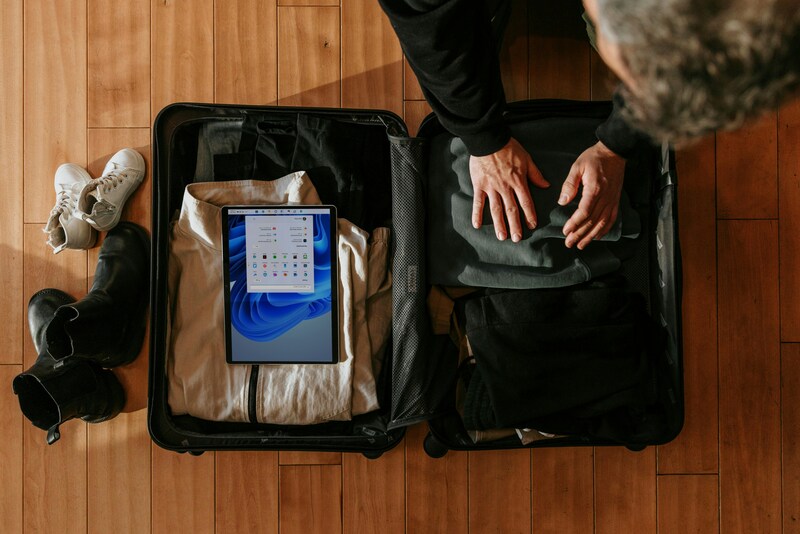
Why Indonesians choose to move out of the country while foreigners choose to move in instead.
Every year, people will always come up with new and different goals. Some hope for a better career, others seek greater stability or personal fulfilment, while many dream of starting a new journey altogether. They understand that hope alone won’t make their dreams come true; they need to take action. For some, that action means moving to another country.
However, starting a new journey in another country could be both a good and difficult decision. As the saying goes, “The grass is always greener on the other side.” What we see on social media does not always exactly show the reality. Sometimes, life abroad is better than expected; at other times, it can be far more challenging.
Based on my own observations, I would like to share two contrasting perspectives on why Indonesians choose to leave their home country—and why many foreigners, in fact, decide to stay in Indonesia.
Why Indonesians Choose to Move Out
As an Indonesian citizen, I recognise that my country is far from perfect. There are many issues to complain about, including the government, poverty, social disparity, and job opportunities. No wonder that a few months ago, posts with the hashtag #KaburAjaDulu (in English: Let’s Just Escape for Now) went viral on social media, reflecting that many Indonesians decided to escape the country and start a new life overseas.
Government-related issues are often cited as the primary reason people choose to move abroad. So far, the current government does not seem to be any better than the previous ones; corruption, bribery, complex regulations, and weak law enforcement still exist. This leads to a domino effect on other sectors, contributing to economic instability and a lack of quality employment opportunities. Everyone is sick of it. Due to this condition, many Indonesians seek a country with a more stable government, which may provide them with better social support, safety, public facilities, and regulations.
Another major factor is economic hardship. Many Indonesians work hard to earn an income, but how on earth are they still living in poverty? This is because the salary in Indonesia, especially in comparison to other countries, is still considered ‘very low’. It does not match the effort people put in at work. Many Indonesians are still underpaid, ranging from Rp1,500,000 to Rp4,000,000 (approximately US$90 to US$240) per month, making it difficult to achieve long-term financial security. As a result, many young Indonesians look to countries with better economic conditions. With the possibility of obtaining a higher salary overseas, they believe that they can improve their quality of life, as well as be able to send money home to support their families.
And then, there’s a belief among some Indonesians that starting a career overseas is considered more promising. Some younger Indonesians have started leaning towards joining migrant worker programmes, such as Australia’s Working Holiday Visa, Germany’s Ausbildung programme, South Korea’s G-to-G scheme, or Japan’s vocational training programmes (Lembaga Pelatihan Kerja Jepang). While these roles are often blue-collar positions, they are believed to offer significantly higher wages than similar jobs in Indonesia.
Why Foreigners Choose to Move In
On the other hand, foreigners, in fact, choose to move to Indonesia. Social media platforms such as TikTok are filled with content created by expatriates who have settled in the country, started businesses, and even learned Bahasa Indonesia. For them, Indonesia is not merely a holiday destination, but a place to build a new life.
One of the most mentioned reasons why they moved to Indonesia is the weather. Here, there are only two seasons: rainy and dry, with sunshine throughout most of the year. Foreigners—particularly those who come from subtropical countries — appreciate the consistent warmth so much that they decide to stay in Indonesia for more than just a couple of weeks. No need to deal with the extreme heat during summer and the cold during winter in their typically subtropical home countries.
Cost of living is another significant appeal in the eyes of foreigners. Goods in Indonesia are considered highly affordable for most foreigners’ purchasing power. The Indonesian rupiah is among the 10 lowest-valued currencies in the world. For us Indonesians, this is a significant concern; however, for foreigners, this is a haven. Accommodation, food, groceries, and entertainment are relatively affordable within the foreigners’ budget, allowing for a comfortable lifestyle at a lower cost. Investing or establishing a business becomes more accessible, as well. With higher incomes and lower prices, who does not want to live like this?
Another thing that impresses foreigners in Indonesia is the people. Most believe that the Indonesian citizens are the most friendly, generous, and helpful people in the world—the opposite of what they typically see in their home countries. Many foreigners, hence, have grown interested in becoming digital nomads or content creators, sharing their experiences of interacting with locals, enjoying traditional cuisine, and participating in cultural events. Statements such as “I love Indonesia”, “I want to stay here”, or “Indonesia is my second home” appear frequently online, asserting their wish and enthusiasm to begin anew in this country.
Is Either Decision the Right Decision?
In the end, there is no right or wrong decision about building a new life in another country. Everyone has their own purpose, goal, and ambition.
Leaving does not mean betraying. For many Indonesians, the idea of leaving the country represents hope—an opportunity to find stability, dignity, and a better quality of life elsewhere. Meanwhile, for many foreigners, Indonesia is the very place where those same ideals feel attainable—inspiring them to stay, settle, and build a better future.
Even though their journeys move in opposite directions, both Indonesians and foreigners are chasing the same things: a sense of security, respect, and ultimately, happiness.