



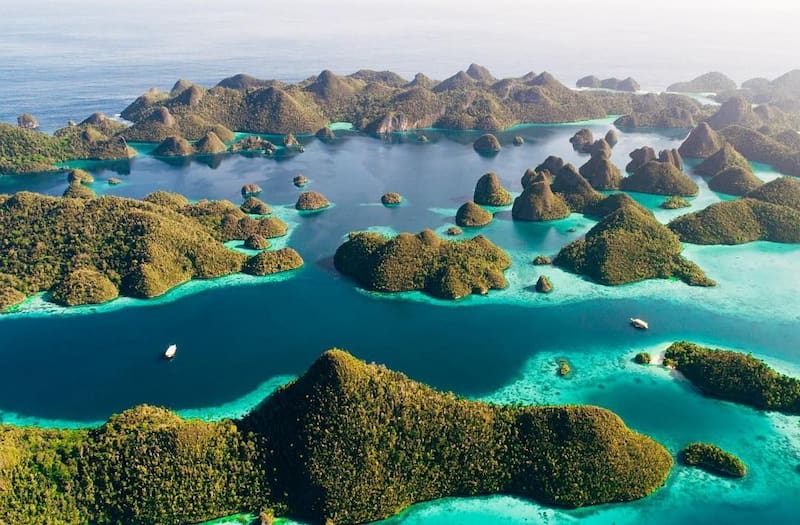
For expats who’ve lived in Indonesia, discovery isn’t always only at the beach locations, but can start whenever the main roads end, such as visiting the rugged shorelines and crater lakes off the coast of the outer islands while avoiding the crowds on the coast of Seminyak. Being based in the world’s largest archipelago in Southeast Asia provides easy access to more than 17,000 islands, but many world travellers do not go much beyond the well-trodden resort corridors.
For travellers who arrange multi-trip trips involving different provinces, trusted locals rely on eSIM Plus to send them instant, reliable mobile data plans to handsets that allow them to connect to local network providers without buying expensive SIM cards at local kiosks or paying outrageous roaming rates for foreign providers. So travel to the outer archipelagos with careful logistics, and you find yourself in contact with a unique and unmistakable mix of volcanic terrain, ancient marine history, and regional customs which mark the real essence of the Indonesian archipelago.
Overcoming the Logistics of Interisland Travel
Having patience, flexibility, and a preparedness to use multi-modal transport is necessary if you travel through the outer provinces of Indonesia. The distances on Eastern Indonesian regional turboprop flights, the PELNI passenger vessels (state-owned boat company), and chartered wooden speedboats are longer than what you find on the express toll roads of Java, or the small waterways of southern Bali.
Static plans are not effective because of the sudden changes in ferry schedules and weather systems, which cause delays to flights in smaller island airstrips. After landing on the island, the mish-mash of crossing the mountain trails typically involves one or more private cars and/or sharing a rented angkot-type minivan with locals who are going to regional market towns. Constant on-site cellular data can help travellers know what the weather is like, know what’s happening in the marine domain, adjust their lodging arrangements on the fly, and effectively talk with nearby drivers instead of being stuck at transfers.
Compelling Outer-Island Routes for Expats
This is accompanied by a number of regional corridors where one can immerse oneself in the country’s natural and cultural heritage, for those who prefer not to have to stay in regular resort enclaves:
- The Trans-Flores Road (East Nusa Tenggara). This road passes through Mount Kelimutu (tri-colored crater lakes), the megalithic village of Bena, near Bajawa, and the unique spiderweb rice fields of the Manggarai highlands, covering a distance of more than 600 km.
- Sembalun Plateau and Southern Coast (Lombok). Here, the high-altitude Sembalun valley boasts cool mountain air and terraced farming, and the northern bays of Gerupuk are home to point breaks and unspoiled limestone headlands.
- The Kei Islands (Southeast Maluku). It is a scenic group of islands located in the southeastern Banda Sea, which hosts the powder-white sandspits of Pasir Panjang and communities with customary status-based Larvul Ngabal conservation practices.
Working outside the conventional metropolitan hubs demands self-reliance and knowledge of the infrastructure on which it relies. Smaller islands can have a sparse number of ATMs, often with limited supplies of local currency, and sometimes don’t accept out-of-country ATM cards, so it is important to have enough physical rupiah in small denominations for local transport, roadside refreshments, and fees for entering the villages.
It is also crucial concerning cultural etiquette. Traditional and religious customs are salient influences on daily life outside cities. For visitors: modest clothing (cover shoulders and knees), slip on shoes off community pavilions/family compounds, do not trespass on customary heritage sites without permission from the local village head (Kepala Desa).
In addition, though, as long as you are still in the provincial capital, you will find that hotels offer Wi-Fi; then, as soon as you arrive in the eco-lodges or family homestays, you can expect a slowdown in the service speed. Modular design ensures digital translation solutions, mapping coordinates, and emergency contacts stay in place during remote aspects of the trip.
Sustainable and Hardware-Free Travel Telecom
Using fragile marine spaces accentuates the need to reduce the use of single-use plastic. Onboarding with traditional telecommunications can create an unneeded burden of physical waste such as blister packaging, plastic cards, and metal tray ejectors that are discarded into landfills without a modern recycling facility.
This physical waste is completely eliminated with the transformation to digital mobile data profiles. With modern dual-profile smartphones, users who live abroad can keep their home phone line available for their everyday family communications and banking messages, and use high-speed data transmission through another digital provider in the region. This eliminates the need to crouch over and deal with plastic chips that are easily lost or can be easily broken while boarding wooden boats or traversing long distances to unknown areas, which makes interisland travel easier, cleaner, and much more reliable.
The Rewarding Rhythm of Indonesian Discovery
When you wander away from the same routes on your domestic circuits, they are no longer a routine weekend getaway, but a rich cultural experience. Whether you’re able to taste a meal of watercress, rice, and pork on an afternoon tea using the hands of village elders in the Flores mountains or a lovely sunrise above an empty bay on one of the outer islands of Maluku, it is a destination that rewards patient, culturally respectful, and practical travel.