



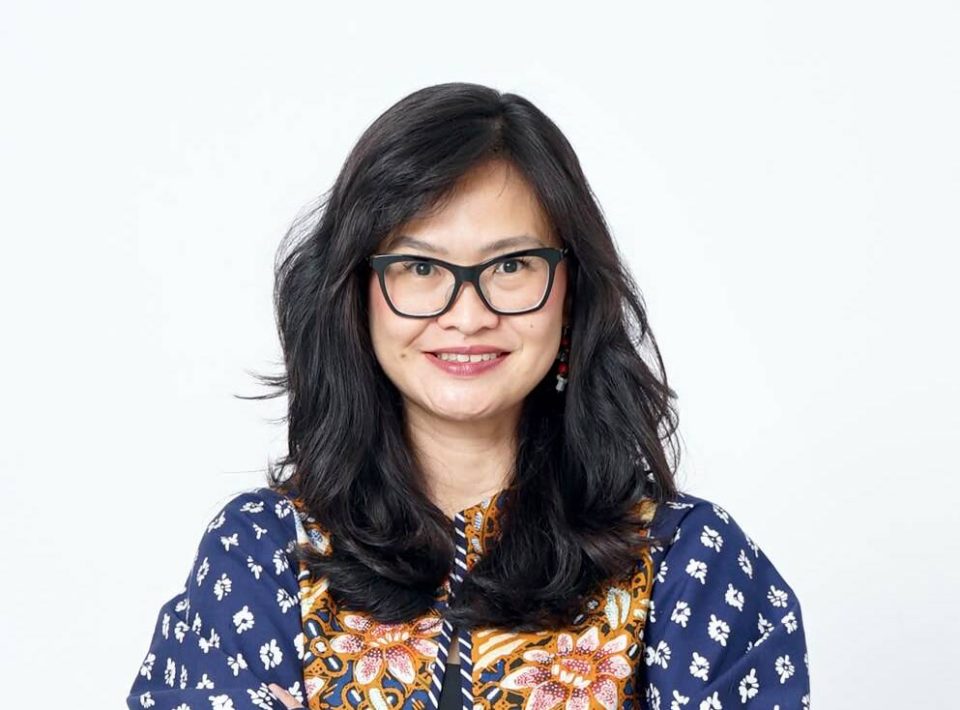
When Tania Setiadi’s grandmother was diagnosed with vascular dementia in 2017, the young doctor was already active in Indonesia’s emerging field of dementia research.
Her grandmother’s diagnosis prompted her to focus her studies on the subject, and she is now pursuing a PhD in the Netherlands, researching the role of music in dementia care.
Dementia (pikun in Indonesian) falls under the specialist field of neurology in Indonesia, whereas in the West, the condition is managed through a multidisciplinary approach, with neurologists working alongside gerontologists, psychiatrists and nutritionists. Dementia care in Indonesia still lacks adequate post-diagnostic intervention, which is Dr Tania’s area of specialisation.
As one of the few doctors in Bali with an active interest in dementia, Dr Tania was invited to establish Hovi Assisted in 2021, becoming its first Centre Manager. Drawing on Hovi’s extensive online resources, she trained the nursing staff, most of whom are still working at the facility, to meet the highest international standards of dementia care and welcomed its first patients. COVID-19 was still very much a concern at the time, and she and the nurses occasionally experienced lockdowns at the facility alongside the residents.
In 2023, she was invited to join Finland-based Hovi Care Ltd as its Medical Director, supporting and overseeing Hovi’s five Asian units in Singapore and Bali.
“Early diagnosis and appropriate post-diagnostic intervention are very important in slowing the disease,” she explains. “About half of dementia cases can be delayed or avoided through modifiable risk factors such as diet, exercise, cardiovascular health, cognitive stimulation and a strong social circle. Active prevention also involves recognising that scrolling on devices can dramatically shorten attention spans, hinder multitasking and replace face-to-face socialisation with screen-based interactions, potentially leading to isolation.”
Early-onset dementia is becoming more common, probably in relation to increased stress levels, pollution, microplastics, physical inactivity and ultra-processed foods.
Now based in Europe, Dr Tania spends her spare time travelling to remote areas of eastern Indonesia to raise awareness of dementia among grassroots communities.
Dr Tania’s influence in establishing Hovi Assisted helped shape its ongoing culture of warm, hands-on and informed professional support. Her model of family-style care continues to evolve as she and the staff learn from one another, the residents and their families.