




A Mixed Marriage Story About Law, Timing, and Not Panicking
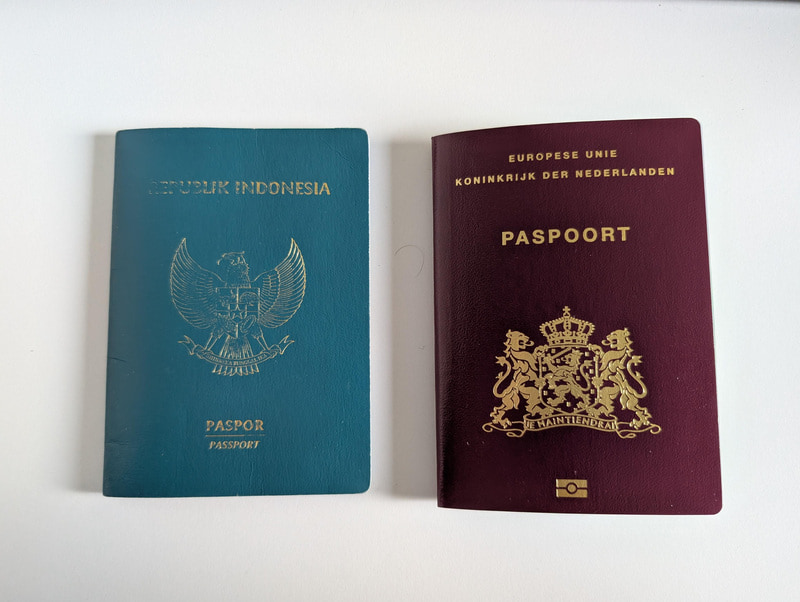
When a child is born into a mixed marriage in Indonesia, they receive something extraordinary: two passports, two cultures, two worlds.
Under Law No. 12 of 2006 on Citizenship, dual status is recognised—but it does not last forever.
- At 18 years old, or upon marriage (if earlier), the child becomes legally capable of choosing;
- They must submit a declaration choosing one nationality;
- They have a maximum of three years to decide;
- The absolute deadline is before their 21st birthday.
There is a moment in every mixed-marriage family when someone asks: “So… what happens when our child turns 18—or, at the latest, 21?”
At 18, the law asks them to choose one nationality. They are given three years, but the clock is real—and families feel it.
Why 21 Feels So Unreasonable
- Still in university;
- Changing majors;
- Still borrowing money from parents;
- Unsure which city they will live in next year.
It can feel like asking someone to choose their retirement village while they are still learning how to cook pasta without burning it.
The issue is not loyalty; it is timing.
The 18–21 Planning Window
From 18 to 21, nothing explodes. This is not a ticking bomb—it is a planning window.
The Immigration Affidavit (Rp400,000) allows the young adult to:
- Travel on their foreign passport;
- Study abroad without immigration stress;
- Enter Indonesia freely;
- Live in Indonesia like an
It is not glamorous, but it buys time.
The Real Driver: Tuition and Career Mobility
In many countries, citizenship determines the tuition category. Home student versus international student can mean the difference between manageable fees and financial shock.
When a 20-year-old chooses a foreign passport, it is often a financial strategy—not rejection.
Different futures, therefore, require different tools.
The Global Citizen of Indonesia (GCI)
Launched on the 26th of January, 2026, GCI allows former Indonesians to maintain long-term residence status.
- Indefinite permanent residence (Izin Tinggal Tetap or ITAP);
- No yearly renewals;
- No constant visa anxiety;
- Free entry and exit;
- No ongoing family sponsorship.
In daily life, it can feel like dual citizenship. Legally, it is not.
GCI requires:
- Government fee (Rp34,800,000);
- Minimum income threshold;
- Financial guarantee or investment commitment.
Property: Lifestyle or Legacy?
Only Indonesian citizens may hold Hak Milik (freehold land) indefinitely. GCI holders who inherit land must sell or convert it within one year. They may, however, own strata-title apartments.
Employment: A Hybrid Status
GCI holders require formal employer documentation but are often exempt from the annual foreign worker levy. GCI holders are not fully foreign—and not fully local either. It is a hybrid status.
The Fear Question
If your child chooses foreign citizenship at 21 and later regrets it, the door is not yet closed. Former Indonesian citizens may reapply to regain Indonesian citizenship through structured reacquisition.
After all, a decision at 30 is often wiser than a decision at 21.
- 21 → Keep a global passport;
- 22–30 → Build education and career;
- 30+ → Decide permanent base.
You Are Not Alone
Groups such as Harapan Keluarga Antar Negara (HAKAN), Organisasi Perkawinan Campuran Indonesia (PerCa Indonesia), Aliansi Pelangi Antar Bangsa (APAB) and Srikandi Mixed Marriage Association are actively discussing these issues.
This is part of a national conversation about talent retention, family unity, diaspora engagement and modern mobility.
Final Thoughts from Globy
The 18–21 rule feels dramatic—but it does not have to be tragic. Sometimes the smartest move is not choosing sides; it is choosing sequence. Build globally first, anchor permanently later.
A passport defines nationality. It does not, however, define belonging. Belonging travels with you.
Disclaimer:
Globy is the virtual assistant of The Permit House. The information provided here is for general educational purposes only. Indonesian regulations change frequently and are subject to interpretation and enforcement practice. Nothing in this content constitutes legal advice or guarantees approval.

📍 Jakarta Office
Tempo Scan Tower, Jl. H. R. Rasuna Said No. 3-4, Kuningan, South Jakarta
📍 Bali Office
Benoa Square, Jl. By Pass Ngurah Rai No. 21A, Badung, Bali
📞 T: +62 899 8100 841
✉️ E: office@thepermithouse.com
🌐 W: thepermithouse.com
📷 Instagram: @thepermithouse