



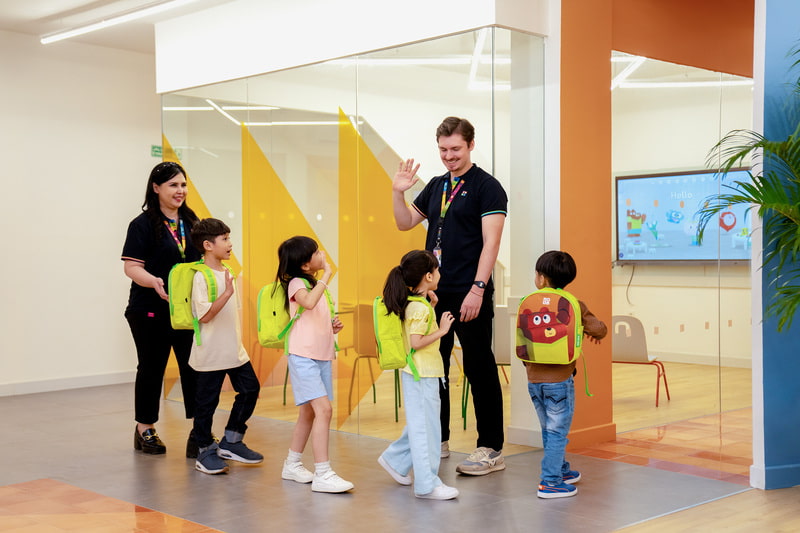
A teaching position may be what brings an international teacher to Indonesia, but it is rarely all they take from the experience. Beyond lesson plans and classrooms is the process of building a life in an unfamiliar country: learning how people communicate, finding friendships, becoming part of a community and discovering new ways of approaching work.
For teachers willing to settle into that experience, Indonesia can become a place of growth as much as a place of work. The adjustment to a new country gradually gives way to something more meaningful, as unfamiliar surroundings become familiar and professional challenges become opportunities to develop.
Finding Community
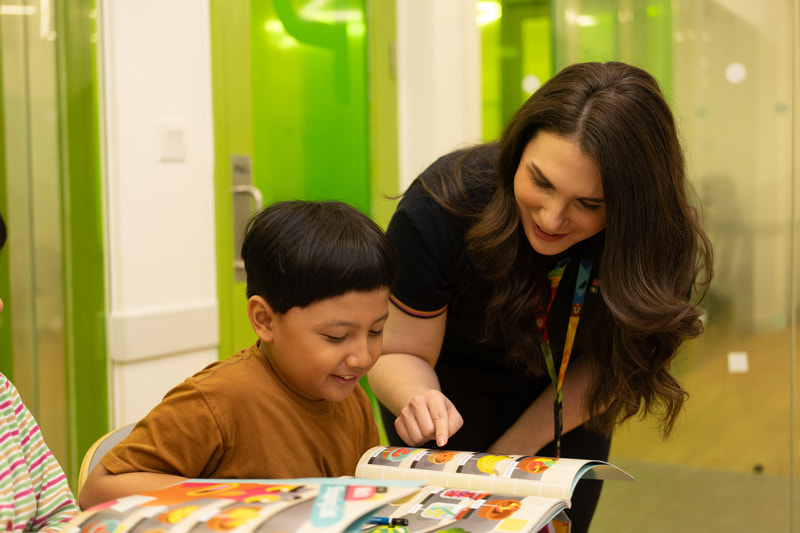
For an international teacher, community can take many forms. Indonesian colleagues can become guides to local life as well as professional peers. Fellow international teachers can provide a sense of familiarity while navigating the same transition. Students, too, can become an important part of a teacher’s connection to their new surroundings as relationships develop over the course of a school year.
These connections rarely happen instantly. They are built through everyday interaction: conversations that continue after class, invitations into social circles, shared experiences at work and the simple familiarity that comes from seeing the same people regularly.
Over time, those relationships can change the experience of living abroad. A teacher is no longer simply occupying a new country. They have people to call, places that feel familiar and a community that gives their new home a sense of belonging.
Learning Through Cultural Exchange
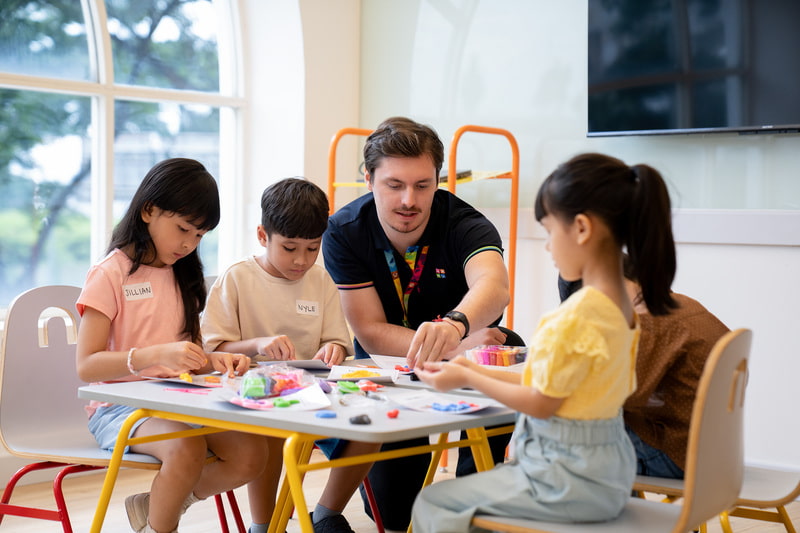
Living and teaching in Indonesia also creates a different kind of classroom, one in which teachers are not always the ones doing the teaching. Indonesian colleagues and students bring their own perspectives, customs and experiences into everyday interactions. Teachers may learn to approach communication differently, gain a deeper understanding of local traditions or encounter ideas that challenge assumptions they brought with them.
Research supports the idea that living abroad can shape teachers’ intercultural skills. A 2023 meta-analysis of 16 studies found a positive, small-to-medium association between study abroad and teachers’ intercultural competence, including their knowledge, attitudes and skills for working across cultural differences. The researchers also found that reflection and guidance strengthened this effect.
The exchange works in both directions. International teachers bring their own cultures and experiences into their classrooms, giving Indonesian students opportunities to encounter perspectives beyond their immediate surroundings. What develops is a two-way exchange rather than a simple transfer of knowledge from teacher to student.
That can make cultural understanding more personal. Instead of experiencing Indonesia as an outsider looking in, teachers begin to understand the country through the people they work with and the relationships they form. At the same time, being exposed to different perspectives can make teachers more aware of their own assumptions and more thoughtful about how they communicate with others.
Growing as an Educator
Working with students from three to eighteen years old exposes teachers to a broad range of developmental stages, personalities and learning needs. The approach required for a young learner is naturally different from what works for a teenager, and even students of the same age can respond to very different methods.
That variety pushes teachers beyond relying on a single familiar teaching style. They learn to observe more closely, adapt lessons to the students in front of them and recognise when an approach needs to change. Classroom management becomes more about understanding the dynamics of each group rather than following a predetermined formula.
There is also value in the lessons that do not go perfectly. An activity that fails to engage students or a class that proves difficult to manage can reveal what needs to change. With experience, teachers become more comfortable making decisions in the moment, adjusting their communication and approaching unexpected situations with greater confidence.
Growing Through a Teacher Community
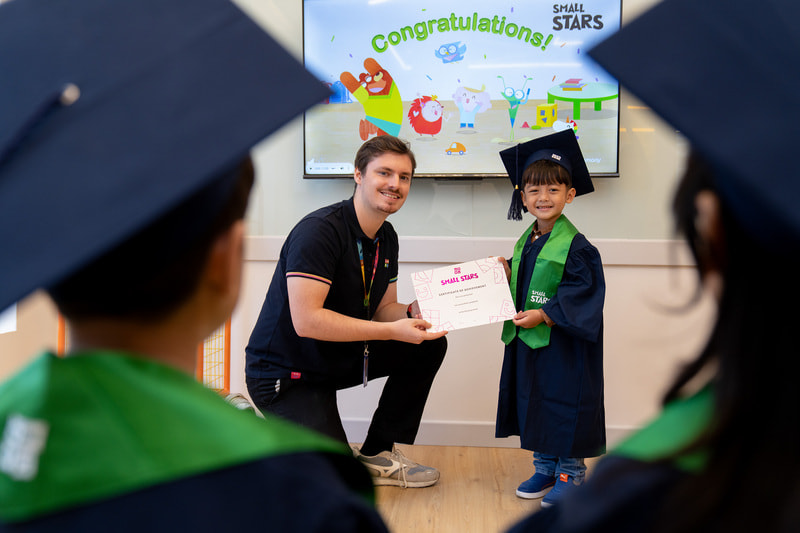
Teachers learn from one another in much the same way that they learn from their students. Collaboration creates opportunities to exchange ideas, compare approaches and see different teaching methods in practice. Co-teaching can offer another perspective on classroom management, while mentoring gives less experienced educators access to someone who has already encountered many of the challenges they are facing.
Formal training and professional development provide structure to that learning, but the informal support between colleagues can be just as valuable. Sharing an idea after a difficult lesson or discussing how another teacher approached a particular class can turn individual experience into collective knowledge.
Research from the OECD’s TALIS survey supports this. Across participating education systems, teachers who engaged more frequently in professional collaboration tended to report higher self-efficacy and job satisfaction. Teachers who worked in environments characterised by mutual support also reported better wellbeing and less stress.
For international teachers, that sense of connection can matter well beyond work. The people they meet through teaching can become part of the social network that makes an unfamiliar country feel increasingly like home.
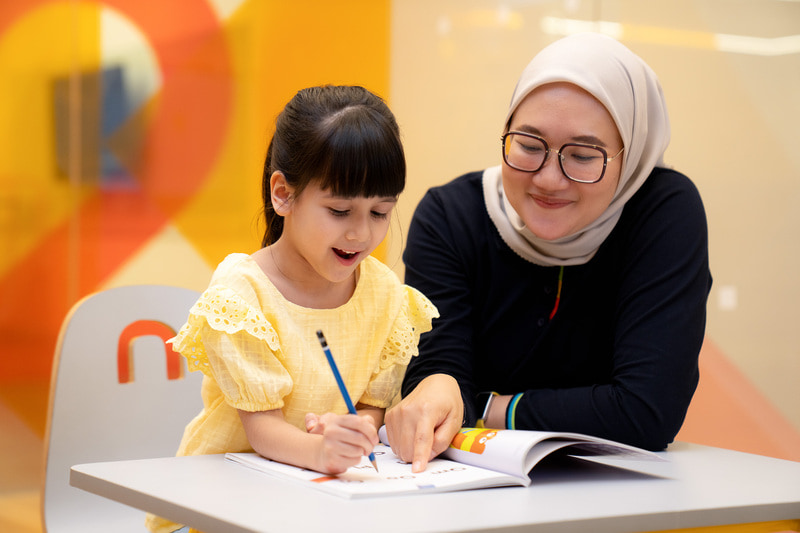
Every Teacher’s Experience Is Different
There is no single way to experience Indonesia as an international teacher. For teachers with English 1, one of Indonesia’s established English language providers, that variety is built into the experience. With more than 120 centres across the country, English 1 connects international teachers with communities in very different cities and settings, from major urban centres to smaller local communities. One teacher’s experience may be shaped by the energy of a major urban centre, while another may find a very different rhythm in a smaller city or community.
Alissa Lynch, who has taught with English 1 in Surabaya since 2023, arrived expecting to eventually work in an office in the United States. Instead, a teaching opportunity took her in an entirely different direction. She describes presenting in front of a class as her “worst nightmare” in high school, yet teaching has since become part of her everyday life.
Moniqua Glasper’s experience in Malang took another shape. She arrived hoping to revitalise her passion for education and found herself building meaningful relationships within her new community, including housemates who became close friends and a piano teacher she came to see as an Indonesian Ibu, or mother figure. Her time in Indonesia also rekindled her interest in hiking, taking her to places including Bromo, Tumpak Sewu and Mount Ijen.
Their experiences are different even within the same teaching organisation. The students, colleagues, city and local community all shape what an international teacher takes from the experience. For an international teacher, choosing where to work therefore also means choosing what kind of Indonesian experience they want to discover. There is no single “international teacher experience” in Indonesia because the country itself offers too many different ways of living, working and connecting.
Personal and Professional Growth
The changes that come from teaching abroad are not always obvious at first, some develop in the classroom. A teacher becomes more confident managing a group, more flexible when a lesson changes direction or more comfortable communicating with students whose needs differ from their own. Others develop outside school, through the independence required to build a life in a new country and the willingness to navigate unfamiliar situations.
Together, these experiences can change how teachers see their own abilities. What once felt intimidating becomes manageable through repetition. What initially seemed unfamiliar becomes an opportunity to learn. Exposure to different perspectives can also influence how teachers understand communication, education and their own assumptions.
The impact can continue beyond Indonesia. Teachers may take new approaches to the classroom into future roles, carry greater confidence into other professional situations or simply return home with a broader understanding of how they want to work and live.
That is ultimately what makes teaching in Indonesia more than an overseas job. The classroom provides a place to work, but the experience around it can provide something much larger: meaningful relationships, cultural understanding, professional development and personal growth.

Interested in teaching with English 1 Indonesia?
- Email: teacher.recruitment@english1.com
- Instagram: @english1teachers.id
- Website: www.english1.com